

Key Summary
Buying a used car in Ireland can save money, but it pays to do your homework first. Before buying, set a realistic budget, check the vehicle’s history, review its service records, inspect the paperwork and take a proper test drive. Whether you buy from a dealership or a private seller, understanding the vehicle’s condition and your finance options can help you avoid expensive surprises later.
Why More Irish Drivers Continue To Buy Used Cars
Many buyers start their search looking at brand-new cars.
They often end up buying used.
The reason is simple. A used car can offer more choice for the same budget. It can also provide access to higher specification models, larger vehicles or lower monthly repayments.
New vehicles lose value fastest during their first few years on the road. Buying used means someone else has already absorbed much of that depreciation.
For many Irish motorists, buying used can provide:
- Lower purchase prices
- Lower borrowing requirements
- Greater choice within budget
- Lower insurance costs
- Access to better-equipped vehicles
According to the Society of the Irish Motor Industry (SIMI), used vehicle transactions continue to significantly outnumber new car registrations each year, highlighting the ongoing demand for second-hand vehicles across Ireland.

The 2026 Used Car Buyer’s Checklist
Before paying a deposit or signing any paperwork, work through this checklist:
✅ Set your total budget
✅ Compare prices for similar vehicles
✅ Check the vehicle history
✅ Verify the NCT status
✅ Review the service history
✅ Inspect the paperwork
✅ Take a test drive
✅ Consider an independent inspection
✅ Understand your finance options
✅ Check running costs
A few hours spent checking these details can help prevent costly problems later.

How Much Should You Spend On A Used Car?
Many buyers start with a vehicle and then try to make the numbers work.
Starting with a budget usually produces a better outcome.
Before viewing any vehicle, consider:
- Monthly income
- Household bills
- Existing credit commitments
- Insurance costs
- Fuel costs
- Motor tax
- Maintenance costs
- Emergency savings
The monthly repayment is only one part of the overall cost.
A vehicle that fits comfortably within your finances often proves easier to own over the long term.
Many buyers also find strong value in vehicles that are between three and five years old. Much of the initial depreciation has already taken place, while the vehicle may still have modern safety and technology features.

What Type Of Used Car Makes Sense In 2026?
The right vehicle depends on how you use it.
A driver covering long motorway journeys every week has different requirements than someone making short urban trips.
Ask yourself:
- How many kilometres do I drive each year?
- Do I mainly drive in towns or on motorways?
- Do I need space for children, pets or equipment?
- How long do I plan to keep the vehicle?
- What running costs can I comfortably afford?
For many Irish motorists, petrol and hybrid vehicles continue to offer a practical balance of affordability, availability and efficiency.
Hybrid vehicles remain popular with drivers looking to reduce fuel consumption while avoiding reliance on public charging infrastructure.

Research Before Viewing A Vehicle
A little research before travelling can save a wasted journey.
Compare prices across multiple platforms such as:
- DoneDeal
- Carzone
- CarsIreland
Research the specific make and model you’re considering.
Look for:
- Common faults
- Reliability issues
- Fuel economy
- Insurance costs
- Recall history
- Typical servicing costs
If a vehicle appears significantly cheaper than similar examples, investigate why.
There is often a reason behind a price that sits well below market averages.

Should You Buy From A Dealer Or A Private Seller?
Both options can work.
The level of protection available to you differs.
Buying From A Dealership
Purchasing through a dealership may provide:
- Consumer protections
- Warranty support
- Finance options
- Trade-in opportunities
- Vehicle preparation checks
Many buyers value the additional reassurance that comes with purchasing from an established business.
Buying From A Private Seller
Private sales can sometimes offer lower purchase prices.
The buyer usually takes greater responsibility for checking:
- Vehicle condition
- Service records
- Vehicle history
- Ownership documentation
Private purchases require extra caution because legal protections are generally more limited if problems arise after the sale.

Check The Vehicle History Before You Buy
A vehicle history report is one of the most important checks you can carry out.
History checks can identify issues that may not be visible during an inspection.
Reports from providers such as Cartell or MotorCheck may reveal:
- Outstanding finance
- Insurance write-offs
- Previous ownership records
- Mileage discrepancies
- Import history
Google searches can tell you a lot about a vehicle model.
A history report can tell you a lot about the specific vehicle sitting in front of you.
If a report highlights concerns, ask questions before proceeding.

Check The NCT History
The NCT certificate provides useful information about a vehicle’s condition and history.
Check:
- The NCT expiry date
- Previous failures
- Advisory items
- Recorded mileage
Comparing previous NCT mileage records can help identify potential clocking concerns.
A vehicle with a long NCT validity period may also reduce immediate ownership costs.
Review The Service History
Service records help build a picture of how a vehicle has been maintained.
Look for evidence of:
- Routine servicing
- Oil changes
- Brake maintenance
- Timing belt replacement where applicable
- Manufacturer-recommended maintenance
A complete service history can provide reassurance that the vehicle has received regular attention throughout its life.
Missing records do not automatically indicate a problem.
They do justify additional questions.

Documents You Should Always Ask To See
Paperwork often tells part of the vehicle’s story.
Before buying, ask to see:
- Vehicle Registration Certificate (logbook)
- NCT certificates
- Service records
- Receipts for major repairs
- Ownership documentation
- Warranty paperwork, where applicable
The details across these documents should match.
Pay particular attention to registration details, recorded mileage and ownership history.
If information appears inconsistent, ask for clarification before moving forward.

What To Check On A UK Import
Imported vehicles remain a significant part of the Irish used car market.
Many imported vehicles provide excellent value. They still require additional checks.
When viewing a UK import, confirm:
- VRT has been paid
- Irish registration is complete
- Service records are available
- Import documentation is present
- Vehicle history checks include UK records
- There is no outstanding finance recorded in the UK
A history report covering both Irish and UK records can help identify potential concerns.

Checks
Inspect The Vehicle Carefully
A clean car can still have underlying issues.
Take your time.
Viewing a vehicle in daylight often makes faults easier to spot.
Exterior Checks
Look for:
- Rust
- Scratches
- Dents
- Mismatched paint
- Uneven panel gaps
- Cracked lights
- Windscreen damage
Differences in paint colour or panel alignment may indicate previous accident repairs.
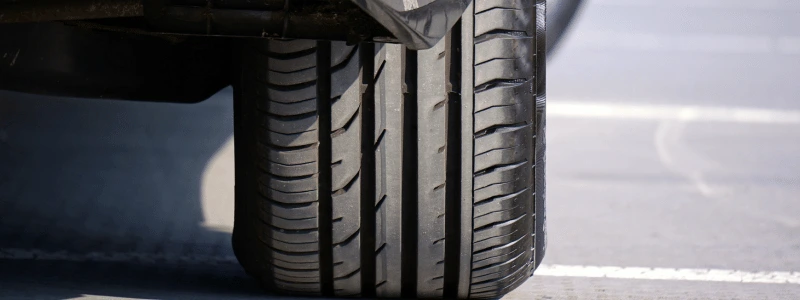
Tyre Checks
Tyres provide useful clues about maintenance.
Check:
- Tread depth
- Uneven wear
- Sidewall damage
Uneven wear can indicate suspension, steering or alignment issues.
A full set of replacement tyres can become an unexpected expense shortly after purchase.
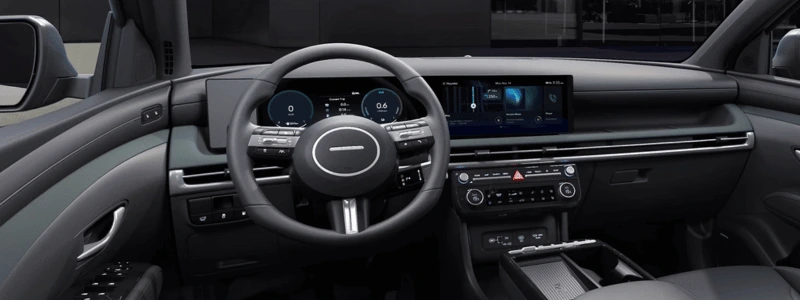
Interior Checks
Check:
- Seat condition
- Dashboard warning lights
- Electric windows
- Air conditioning
- Parking sensors
- Cameras
- Infotainment systems
- Heating controls
Heavy wear inside the vehicle can sometimes indicate higher usage than the mileage suggests.
Under The Bonnet
You do not need to be a mechanic to spot obvious concerns.
Look for:
- Oil leaks
- Coolant leaks
- Corrosion
- Damaged hoses
- Excessive dirt around components
A well-maintained engine bay often reflects consistent servicing and maintenance.
Take A Proper Test Drive
A short drive around a forecourt provides limited information.
Drive the vehicle on different road types where possible.
Pay attention to:
- Steering response
- Braking performance
- Gear changes
- Suspension comfort
- Unusual noises
- Engine temperature
Drive at both lower and higher speeds.
Listen carefully.
Vehicles often tell their own story when the radio is switched off.

Should You Pay For A Pre-Purchase Inspection?
Many buyers spend thousands of euros on a vehicle and hesitate over the cost of an independent inspection.
A qualified mechanic may identify issues that are difficult to spot during a casual viewing.
An inspection can uncover:
- Accident repairs
- Suspension wear
- Brake issues
- Engine problems
- Hidden damage
This can be particularly useful when:
- Buying privately
- Purchasing a higher-value vehicle
- Buying an imported vehicle
- Purchasing an older vehicle
The inspection fee may be small compared with the cost of unexpected repairs.
What Mileage Is Too High For A Used Car?
Mileage matters.
Maintenance often matters more.
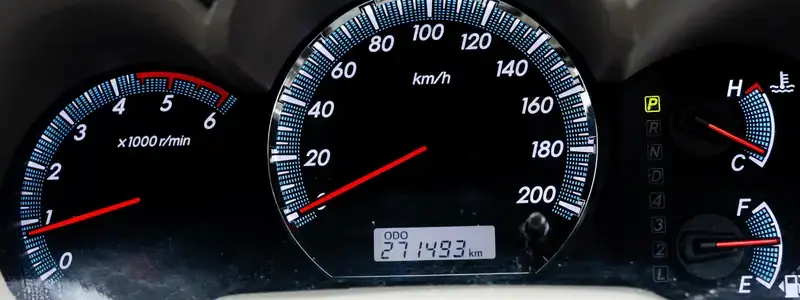
A vehicle with 180,000 kilometres and a complete service history may present fewer concerns than a vehicle with 90,000 kilometres and poor maintenance records.
Review:
- Service history
- NCT records
- Vehicle condition
- Ownership history
These factors often provide a clearer picture of the vehicle’s condition than the odometer reading alone.

Top Red Flags To Watch For
Some warning signs deserve immediate attention.
Proceed carefully if you encounter any of the following:
🚩 Outstanding finance recorded on a history report
🚩 Missing service records
🚩 Missing ownership documents
🚩 Mileage discrepancies
🚩 Warning lights remaining illuminated
🚩 Pressure to complete the purchase immediately
🚩 Refusal to allow a test drive
🚩 Refusal to allow an independent inspection
🚩 Significant price differences compared to similar vehicles
🚩 Incomplete import documentation
One concern may have a reasonable explanation.
Several concerns appearing together deserve closer investigation.

Understanding Used Car Finance In Ireland
Many Irish motorists use finance to spread the cost of purchasing a vehicle.
Hire Purchase remains one of the most common options.
Under a Hire Purchase agreement:
- You make fixed monthly repayments
- The agreement runs over a set term
- Ownership transfers once the agreement has been fully repaid
Many buyers prefer Hire Purchase because the repayments are clear from the start and remain consistent throughout the agreement.
Before applying for finance, consider:
- Monthly affordability
- Deposit amount
- Agreement length
- Total amount repayable
- Interest charges
Looking beyond the monthly payment provides a more complete understanding of the agreement.
Can You Get Car Finance With Poor Credit?
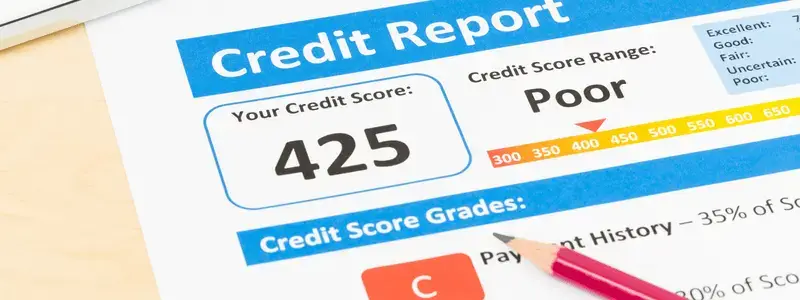
Many people assume a previous credit issue means they cannot obtain finance.
That is not always the case.
Different lenders assess applications differently.
Life events can affect credit profiles.
Examples include:
- Illness
- Redundancy
- Relationship breakdown
- Temporary financial difficulties
Some customers have since recovered from those circumstances and now manage their finances successfully.
A lender that considers the wider picture may gain a fuller understanding of an applicant’s situation.

Questions To Ask Before Signing A Finance Agreement
Before agreeing to any finance product, ask:
- What is the total amount repayable?
- What APR applies?
- Are there any fees?
- Can the agreement be settled early?
- What happens if my circumstances change?
- What support is available if I experience financial difficulties?
Understanding the answers helps you make an informed decision.

Hybrid Or Petrol: Which Makes Sense In 2026?
Many Irish buyers compare hybrid and petrol vehicles when shopping for a used car.
Petrol vehicles remain popular because:
- They are widely available
- Purchase prices can be lower
- Servicing is familiar to most garages
Hybrid vehicles continue to attract strong demand because:
- Fuel consumption can be lower
- Urban driving efficiency can be improved
- Running costs may be reduced
The right choice depends on your mileage, driving habits and budget.

Frequently Asked Questions
What Is The Best Used Car To Buy In Ireland In 2026?
The answer depends on your budget, annual mileage and driving needs.
Popular choices among Irish buyers include the Toyota Corolla, Hyundai Tucson, Volkswagen Golf, Skoda Octavia and Kia Sportage.
Is It Better To Buy From A Dealer Or A Private Seller?
Both options can work.
Dealerships often provide additional consumer protections, finance options and warranty support.
Private sellers may offer lower purchase prices but require more due diligence from the buyer.
Is A Vehicle History Check Worth Paying For?
Yes.
A vehicle history report can reveal issues that may not be visible during an inspection or test drive.
Can I Get Car Finance If I Have Been Refused Before?
Potentially.
Different lenders use different criteria when assessing applications.
A previous decline does not automatically mean every lender will reach the same decision.
Should I Buy A Hybrid Or Petrol Car?
The answer depends on your driving habits, annual mileage and budget.
Many Irish motorists continue to choose both options depending on their individual requirements.
How LM Operations Can Help
Finding the right vehicle is only part of the process.
Understanding your finance options matters too.
LM Operations provides non-prime Hire Purchase finance for petrol and hybrid vehicles across Ireland. Our team takes a human approach to underwriting and understands that credit reports only show part of a customer’s story.
If you’ve experienced credit difficulties in the past, been declined elsewhere, or simply want to understand your options before visiting a dealership, we’re here to help.