
This glossary explains common Irish car terms, including motoring laws, vehicle ownership terminology, driving licence terms, insurance phrases, vehicle technology, and used car buying terminology used in Ireland.
Irish Motoring Terms
| Irish Motoring Term | Meaning |
| NCT | Mandatory vehicle roadworthiness test |
| VRT | Vehicle registration tax |
| CVRT | Commercial vehicle roadworthiness test |
| VIN | Vehicle identification number |
| RSA | Road Safety Authority |
These Irish motoring terms explain common legal, licensing, registration, and vehicle ownership terminology used by drivers in Ireland.
NCT (National Car Test)
The NCT is Ireland’s mandatory roadworthiness test for most vehicles over four years old.
VRT (Vehicle Registration Tax)
VRT is a tax paid when registering a vehicle in Ireland for the first time, especially imported cars.
Motor Tax
Motor tax is a legal requirement for driving on Irish public roads.
Learner Permit
A learner permit allows someone to drive while learning before obtaining a full licence.
N-Plate
N-plates must be displayed by newly qualified drivers in Ireland for two years after passing their driving test.
Logbook
A logbook is the vehicle registration certificate showing ownership details.
Gardaí
An Garda Síochána is the national police service in Ireland.
Insurance Disc
An insurance disc displays proof of insurance on a vehicle windscreen.
CVRT
Commercial Vehicle Roadworthiness Test for vans and commercial vehicles.
RSA
The Road Safety Authority (RSA) is responsible for driving tests, road safety, and vehicle standards in Ireland.
NDLS
National Driver Licence Service responsible for Irish driving licences.
Car Types
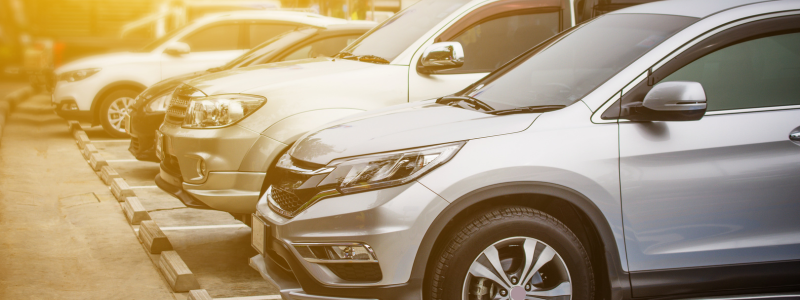
These car type terms explain different vehicle categories commonly found on Irish roads, including electric, hybrid, family, and off-road vehicles.
Hybrid Car
A car that can run on both electricity and more traditional fuel (diesel and petrol).
SUV
A sport utility vehicle is a mix between on-road and off-road, where the ride height is higher and the car is generally bigger than an everyday car. Good examples of SUVs are the Range Rover Sport and the Nissan Qashqai.
EV
An EV, or electric vehicle, is a vehicle equipped with an electric motor that utilises electricity stored in a battery, which can also be recharged from an external power source.
FCEV
Unlike EVs, FCEVs are vehicles that are powered by hydrogen.
LREV
Also referred to as EREV (Extended Range Electric Vehicle), these electric vehicles are now built to travel further on a single charge.
MPV
Multi-Purpose Vehicles are designed to carry over five passengers and are usually fitted with a third row of seats. Some MPV’s have sliding doors for easy access.
Supermini
A car that is compact, small, and cheap to run.

Used Car Buying Terms
These used car buying terms explain common phrases related to vehicle history, inspections, vehicle condition, and buying a second-hand car in Ireland.
HPI Check
A HPI check, also known as a hire purchase investigation check, is used to check the background of a used vehicle ahead of purchase.
Cut and Shut
This is common in the used car market, cut and shut cars are those that combine two previously damaged cars to form one vehicle. It is important to note that this is illegal.
Clocked Car
A vehicle with illegally reduced mileage.
Write-Off
A vehicle considered uneconomical to repair after damage.

Insurance Terms
These insurance terms explain common car insurance phrases used in Ireland, including insurance cover types, claims terminology, and insurance documents.
Comprehensive Insurance
Comprehensive insurance covers damage to your own vehicle and third-party vehicles.
Third-Party Insurance
Third-party insurance is the minimum legal level of car insurance in Ireland.
No Claims Bonus
A no claims bonus is a discount earned for driving without making insurance claims.
Excess
An excess is the amount a driver pays towards an insurance claim before the insurer contributes.
Insurance Certificate
An insurance certificate is the legal document proving a vehicle is insured.
Car Safety Technology Terms
These car safety technology terms explain vehicle safety systems designed to improve driver safety and reduce collision risk.
ABS (Anti-Lock Braking System)
ABS prevents vehicle wheels from locking during emergency braking and helps drivers maintain steering control.
AEB
Autonomous emergency braking is there to assist the driver in the event of a potential collision. A AEB safety system will detect that contact may have been made with another vehicle and either warns the driver, or automatically brakes.
Immobiliser
An immobiliser prevents thieves from driving off with your car. If you have your keys, the car will detect that the keys are not present in the vehicle and will shut down, preventing the thief from driving away.

Fuel & Emission Terms
These fuel and emission terms explain fuel economy, vehicle emissions, and technologies designed to reduce harmful exhaust gases.
MPG
Miles per gallon refers to the distance a car can travel on one gallon of fuel.
CO2 Emissions
CO2 emissions are emitted from the exhaust of a car. CO2 refers to the gas Carbon Dioxide which is a result of a car’s engine burning fuel.
AdBlue
AdBlue is a liquid that is added to diesel cars to help reduce the harmful gases emitted into the atmosphere from the exhaust pipe.
Driving Assistance Terms
These driving assistance terms explain vehicle systems designed to assist drivers with speed control, safety, and motorway driving.
Cruise Control
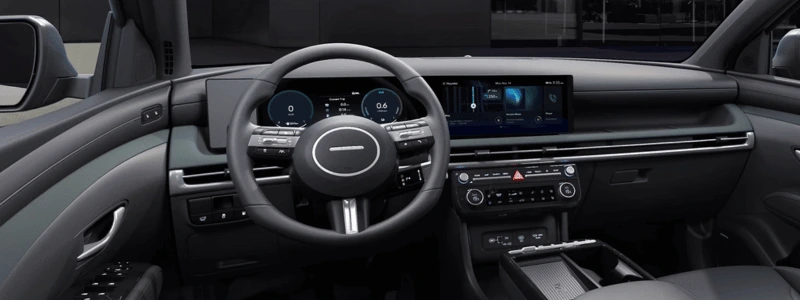
Cruise control is a driver assistance system that maintains a constant vehicle speed during motorway driving. This is perfect for motorway driving.
ACC
Adaptive cruise control is an advanced version of standard cruise control. The car automatically adjusts its speed to maintain a safe distance from the vehicle in front.

General Car Terminology
4WD
A 4X4 car or truck is powered by 4WD technology. 4WD distributes engine power to all four wheels to improve traction in difficult driving conditions.
Dipstick
Your car dipstick is key to measuring engine oil levels. Simply place the dipstick into the container and measure where the oil level is currently at.
Ignition
The ignition system creates the spark required to start a vehicle’s engine.
Telematics
Telematics is technology that collects vehicle and driving data using GPS systems.
Blackbox Telematic
Black boxes are typically required for young or new drivers. A box is fitted to your car that monitors the way you drive. Black box telematics uses GPS and driving data to monitor driver behaviour for insurance purposes.
Looking to expand your car finance knowledge? Visit our dedicated blog that explains the most important car finance terms.

FAQs
What Does NCT Mean In Ireland?
The NCT is Ireland’s mandatory roadworthiness test for most vehicles over four years old.
What Is VRT?
VRT stands for Vehicle Registration Tax, paid when registering a vehicle in Ireland for the first time.
What Is A Clocked Car?
A clocked car is a vehicle with illegally reduced mileage.
What Does VIN Mean?
VIN stands for Vehicle Identification Number, a unique serial number assigned to a vehicle.
What Is An N-Plate?
N-plates must be displayed by newly qualified drivers in Ireland for two years after passing their driving test.
Put Your Knowledge to Good Use – Apply for Finance
Now that you have a grasp on car language, why not finance with a leading Irish car finance provider? Apply today and receive personal dedication and support throughout your journey, even past the application stage. Apply here in 30 seconds and start your finance journey.